Festival
Festivals are important days in life that are worth remembering. It is a folk culture jointly created by the people of the world to meet the needs of production and life. It is an important part of the world folk culture.
-
New year's Eve (Chu Xi)
New year's Eve is the last night at the end of the year. The last day at the end of the year is called "year division", which means that the old year will be removed and a new year will be replaced. To remove means to remove; Xi refers to night.
Time 2021-01-02 -
Winter solstice (Dong Zhi)
The winter solstice, also known as the South solstice, winter festival and Asian year old, has both natural and humanistic connotations. It is not only an important solar term in the 24 solar terms, but also a traditional ancestor worship festival among C
Time 2021-01-02 -
Xia Yuan Festival (Xia Yuan Jie)
Xiayuan Festival, a traditional Chinese festival, is also called "Xiayuan day" and "Xiayuan day" on October 15 of the lunar calendar. It is one of the traditional Chinese folk festivals.On the fifteenth day of the first month, China ca
Time 2021-01-02 -
Double Ninth Festival (Chong Yang Jie)
The Double Ninth Festival, a traditional Chinese Folk Festival, falls on the ninth day of the ninth lunar month. The number of "Nine" is the number of Yang in the book of changes. The number of "Nine" and the number of Yang are equal,
Time 2021-01-02 -
Zhongyuan Festival (Zhong Yuan Jie)
Zhongyuan Festival is the name of Taoism. It is called July half, July 14 and ancestor worship festival in folk customs, and Yulan basin festival in Buddhism. Festival customs mainly include offering sacrifices to ancestors, releasing river lanterns, offe
Time 2021-01-02 -
Qixi Festival (Qixi Jie)
Qixi Festival, also known as Qiqiao Festival, Qijie Festival, daughter's day, Qiqiao Festival, Qiniang society, Qixi Festival, niuniuniupo day, Qixi, etc., is a traditional festival among Chinese people. Derived from the worship of stars, Qixi Festival is
Time 2021-01-02 -
The Dragon Boat Festival (DuanWu Jie)
The Dragon Boat Festival, also known as the Dragon Boat Festival, the Dragon Boat Festival, the Double Ninth Festival and the mid day festival, is a folk festival integrating worship of gods and ancestors, praying for blessings and ward off evil spirits,
Time 2021-01-02 -
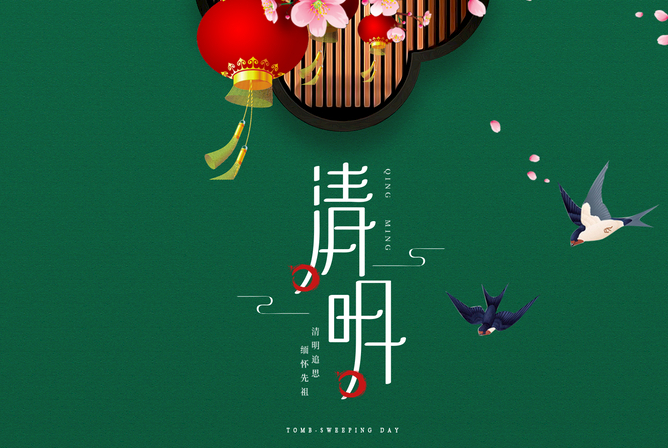
Qingming Festival (QingMing Jie)
Qingming Festival, also known as outing Festival, Xingqing Festival, March Festival and ancestor worship Festival, is held at the turn of mid spring and late spring. Qingming Festival originated from the ancestors' beliefs and Spring Festival rites and cu
Time 2021-01-02 -
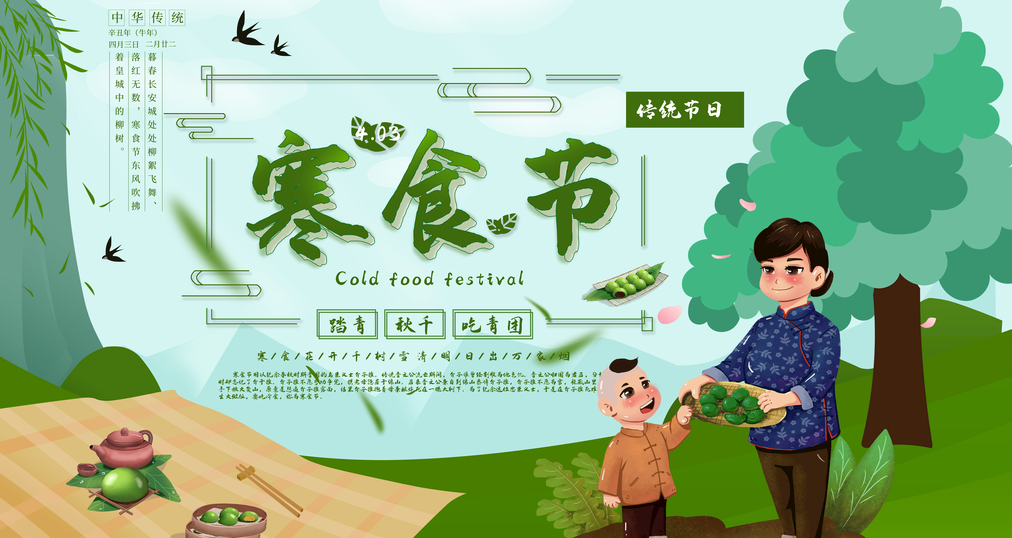
Cold food festival (HanShi Jie)
Cold food festival, a traditional Chinese festival, falls on the 105th day after the summer solstice and the first or second day before Qingming Festival. It is the first day of the festival. Fireworks are forbidden and only cold food is eaten. In the dev
Time 2021-01-02 -
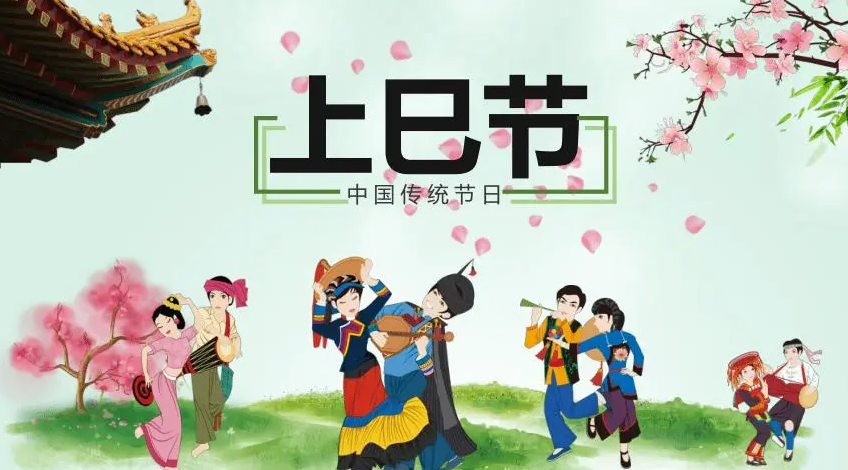
Shangsi Festival (Shangsi Jie)
Shangsi Festival, commonly known as March 3, is a traditional festival of the Han nationality. It was set as the fourth day in early March before the Han Dynasty, and later fixed on the third day of March in the summer calendar. Shangsi Festival is the m
Time 2021-01-02 -
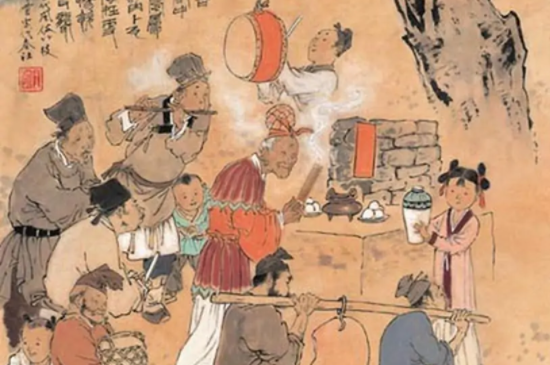
Community day (SheRi Jie)
Social day, a traditional Chinese festival, also known as land birthday, is an ancient Chinese traditional festival. Social day is divided into spring society and autumn society. In ancient times, the date of social day festival was determined according t
Time 2021-01-02 -
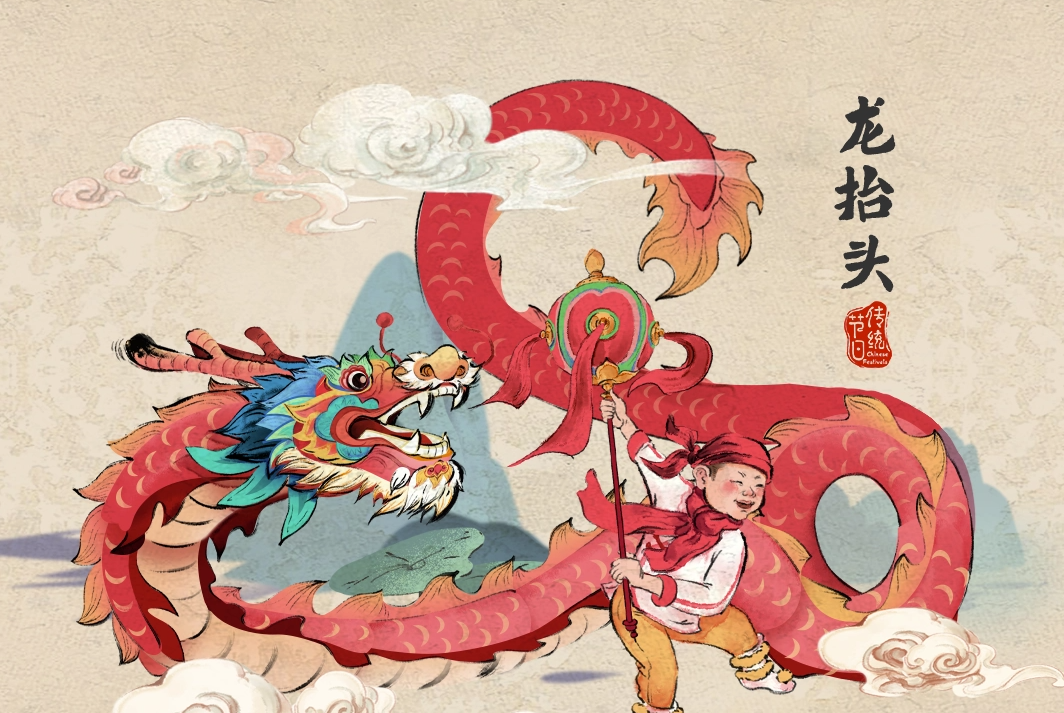
Dragon Head Raising Day (Long Tai Tou)
Dragon head up (February 2 of the lunar calendar), also known as spring ploughing Festival, agricultural Festival, Qinglong Festival and spring Dragon Festival, is a traditional Chinese folk festival. "Dragon" refers to the seven constellations
Time 2021-01-02 -
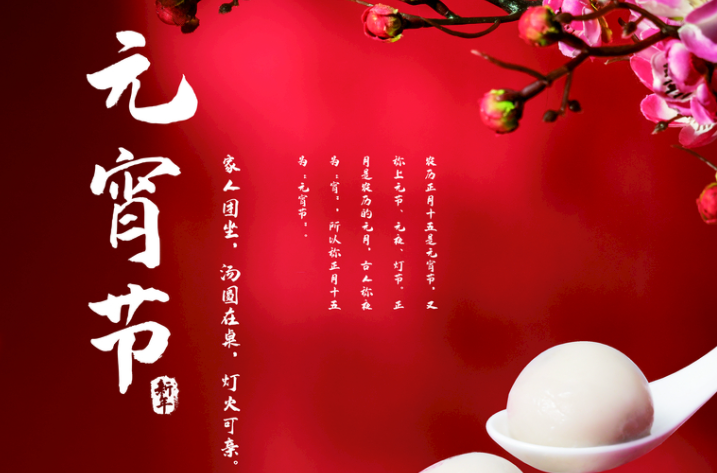
Lantern Festival (Yuan Xiao Jie)
The Lantern Festival, one of the traditional festivals in China, is also known as the Shangyuan Festival, the small first month, the new year's Eve or the Lantern Festival. The time is the 15th day of the first month of the lunar calendar every year.The f
Time 2021-01-02 -
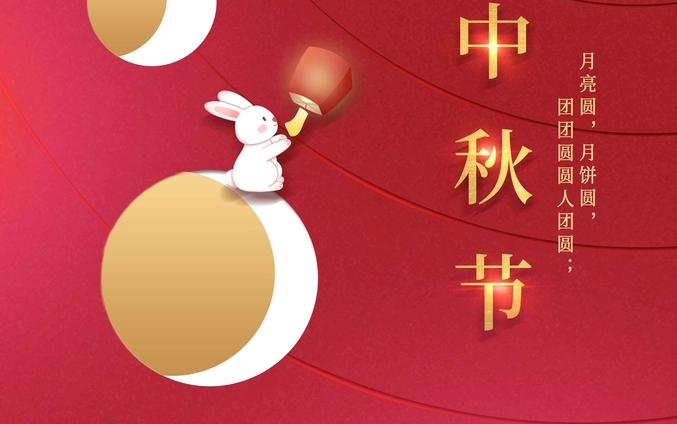
Mid-Autumn Festival (ZhongQiu Jie)
Mid Autumn Festival, also known as Moon Festival, moon birthday, moon Eve, autumn festival, Mid Autumn Festival, moon worship Festival, moon mother's day, Moon Festival and reunion festival, is a traditional festival among Chinese people. The Mid Autumn F
Time 2020-12-26 -
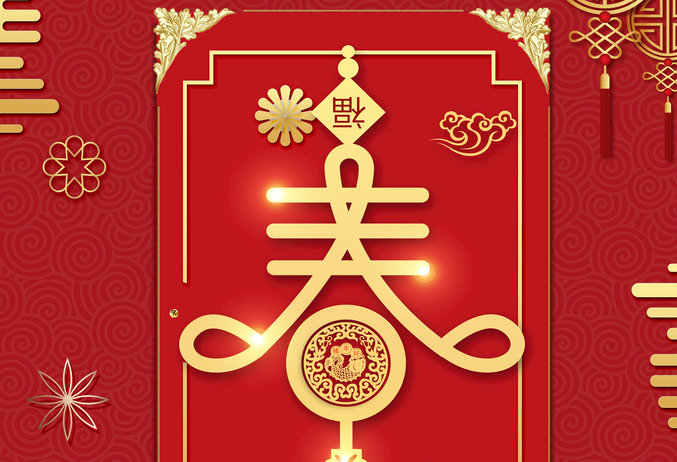
Spring Festival (Chun Jie)
Spring Festival, the Chinese Lunar New Year, is commonly known as the new year, the new year, the new year's day, etc. it is also known orally as the new year and the new year. The Spring Festival has a long history, which evolved from the worship of pray
Time 2020-12-26