The style of Chinese Zongzi
Due to different regions, the materials and even the leaves of Zongzi are very different, and even the shape of "wrapping" is also very different. For example, in the early days, people used ox horns to worship heaven, so most of the zongzi in the Han and Jin dynasties were made into horns, as one of the articles for ancestor worship. In addition, there are generally various shapes such as equilateral triangles, equilateral quadrilaterals, pointed triangles, squares, and elongated shapes.
Due to the different eating habits in different places, Zongzi has formed a northern and southern flavor. Zongzi in the north is mostly made of glutinous rice and eaten with white sugar or brown sugar. Zongzi in Beijing is the representative variety of Zongzi in the north.
Zongzi in Beijing is a large, oblique quadrangle or triangle. Most of the products available in the market are glutinous rice dumplings. In rural areas, it is still customary to eat rhubarb rice dumplings. Sticky and fragrant, it has a special flavor. Most Zongzi in Beijing are filled with red dates and bean paste, and a few are also filled with preserved fruit.
The representative variety of southern Zongzi is Zongzi Zongzi, which has pyramid, strip and triangular cone shapes. The main varieties include salted meat zongzi, Jianshui zongzi, Dousha zongzi, etc. Among them, salted meat zongzi is the most popular. Salted meat zongzi mainly uses glutinous rice, pork belly, and mung beans. Some also add salted egg yolks, winter mushrooms, shrimp, scallops, chestnuts, peanuts, and other ingredients as filling. The taste is salty, fresh, and fragrant, with a better flavor.
Regionally, Zongzi also includes Zhaoqing steamed dumplings, Taishan dumplings, Dongguan Daojiao dumplings, Zhongshan Ludou dumplings, Chaoshan double cooked dumplings, Hakka grey water dumplings, Zhanjiang clam dumplings.
The Zongzi in the south of the Yangtze River is the most famous, and its practices are also complex, especially the stuffing, which varies widely. A major difference between Zongzi in the north and Zongzi in the south is that the glutinous rice raw materials are usually pre soaked with straw grey soup, steamed with meat stuffing, and smell delicious.
Huzhou zongzi has a unique elongated shape, resembling a pillow, hence the name "pillow zongzi". It is also known as "beautiful zongzi" due to its slender body, concave in the middle, and upturned at both ends, which has beautiful lines and is small and elegant. Huzhou zongzi is mostly handmade and very exquisite; There are also various ingredients used, such as soy sauce, fresh meat, bean paste, egg yolks, etc. Nowadays, the famous Zongzi in Huzhou includes Zhenyuantong, Zhu Laoda, etc.
The Zongzi produced in Jiaxing, south of the Yangtze River, is the most famous one in China. Jiaxing Zongzi enjoyed a high reputation as early as the Qing Dynasty.

The style of Chinese Zongzi
-

Scientists have confirmed for the first time that the Milky way is braking
In the past 30 years, some theories have predicted that the rotation speed of the galaxy will slow down, but there is no empirical evidence.
Views: 18 Time 2021-06-23 -
Do what you say: the head teacher sends 12 students with more than 660 points on a 7-day Tour
The results of the college entrance examination have been announced, the admission scores are coming out one after another, and many interesting stories are also on stage.
Views: 16 Time 2021-06-25 -
Three winners of the July 1 medal who will never show up
At 10 a.m. on June 29, the July 1 medal awarding ceremony was held. This year is the first time that the "July 1 Medal" has been awarded, and a total of 29 "July 1 Medal" winners have been produced. But three of the winners will never
Views: 21 Time 2021-06-29 -
The 60 year old man in Hainan was rescued after drifting in the sea for more than 20 hours. The search and rescue personnel were shocked when they knew the length of drifting
On July 11, a 160 year old man in Wenchang, Hainan, was rescued by a ship after drifting on the sea for more than 20 hours.
Views: 19 Time 2021-07-12 -
Taiwan's Defense Department: 19 PLA military aircraft entered the airspace of Southwest Taiwan today, and 14 were fighters
Taiwan's green media freedom Times said that Taiwan's Defense Department released "real-time military dynamics" information on the evening of the 5th, claiming that the people's Liberation Army today (the 5th) sent 19 military aircraft to "
Views: 21 Time 2021-09-05 -

More than 40 gold veins have been discovered in Pingjiang, Hunan Province
On November 21st, the Hunan Geological Institute announced a significant breakthrough in the exploration of the Wangu Gold Mine in Pingjiang County, Hunan Province. After years of effort, the Hunan Geological Hazard Investigation and Monitoring Institute,
Views: 57 Time 2024-11-24 -

Mao Qi had an inappropriate relationship with a female subordinate
The case of Mao Qi, former secretary of Wannian County Committee in Shangrao City, Jiangxi Province, suspected of bribery has been concluded by the Jiangxi Provincial Supervision Commission and transferred to the procuratorial organs for examination
Views: 231 Time 2024-12-12 -
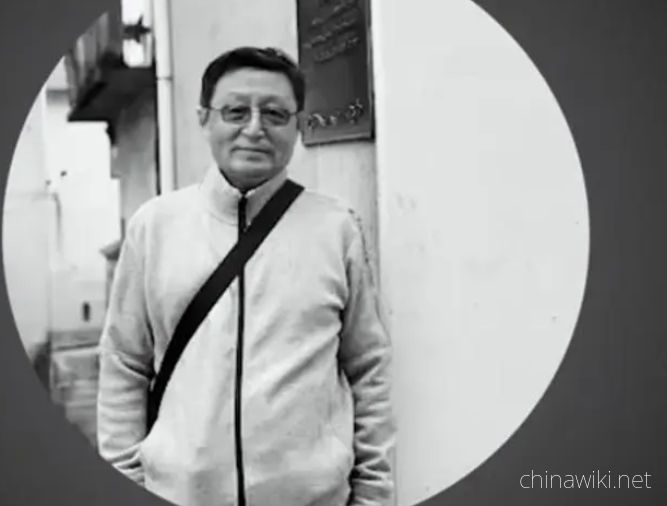
Writer Ye Zhou passed away while searching for his roots in Anhui province
Family, let us mourn deeply for a pivotal figure in the Chinese literary world, Mr. Ye Zhou. On November 28th, Mr. Ye Zhou passed away forever due to a sudden heart attack while searching for his roots in Anhui. He was 66 years old, and the news caused gr
Views: 9 Time 2024-12-14 -
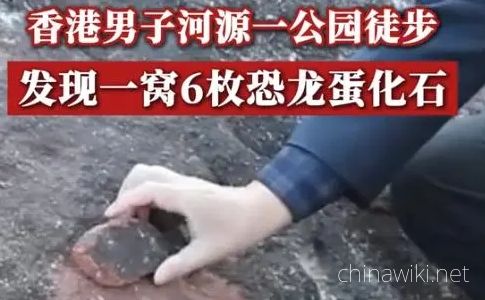
Hong Kong tourists discover a nest of six dinosaur egg fossils in Guangdong
Recently, two Hong Kong tourists accidentally discovered a nest of six dinosaur egg fossils while hiking in the North Park of Yingke Bridge in Heyuan City, Guangdong Province. This news quickly attracted widespread attention from society and once again pu
Views: 10 Time 2024-12-15 -
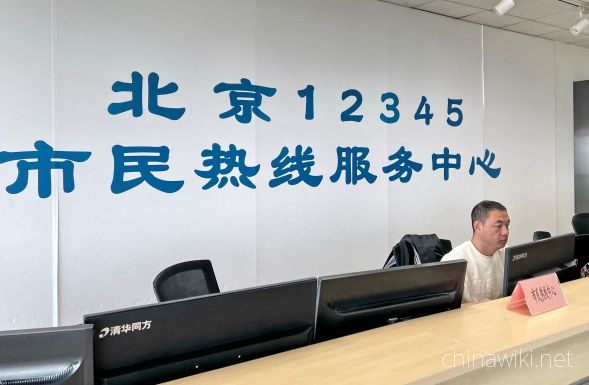
Overseas experts highly praise Beijing 12345 hotline
According to a report by Xinhua News Agency on December 18th in Beijing, public issues can be resolved with just one phone call, without the need to go through complex government departments. This is the role of the Beijing 12345 hotline: a powerful lifel
Views: 23 Time 2024-12-21 -

China Vietnam launches' 3+3 'strategic dialogue mechanism
According to the website of Hong Kong's South China Morning Post on December 22, China does not often initiate any diplomatic mechanism. But this month, China launched the "3+3" dialogue with Vietnam, which is the first time for Beijing
Views: 33 Time 2024-12-23 -
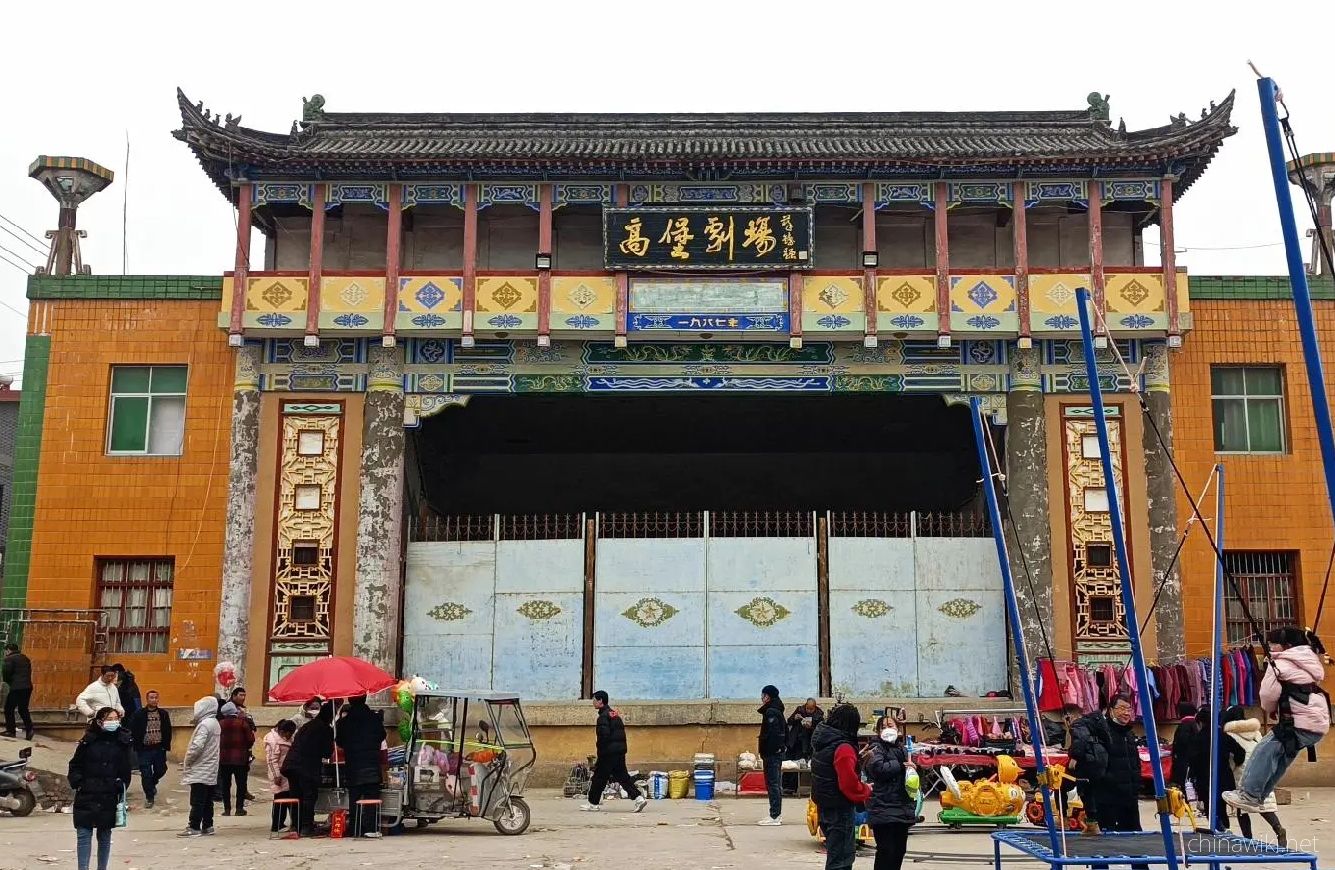
Lantian Community Fire Play
On the eighth day of the first lunar month, Liu Tongxing, a ten year old child from Chenjiagou Village, woke up early and started dressing up. Wearing a gauze cap and a long beard, the boy became the "Yang Shilang" in the Qin Opera Opera "L
Views: 87 Time 2025-02-15