Taboos for making Chinese Zongzi
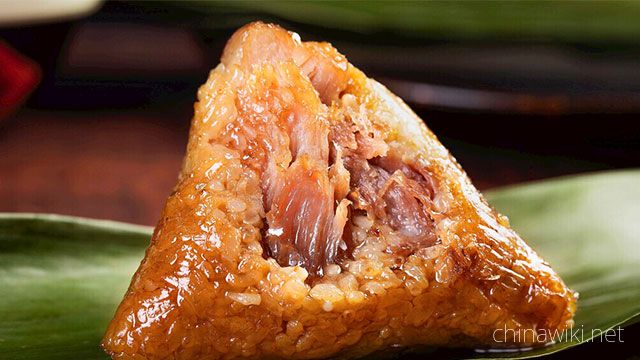
The heat of Zongzi varies according to its "size" and "content". Each heat of "meat zongzi" contains about 450 to 600 calories. The average heat of table meat zongzi is 495 calories from 385 to 671 calories, while the average heat of Huzhou zongzi is 459 calories from 400 to 520 calories. Of course, the contents of meat zongzi also directly affect its heat capacity. For example, the use of pork belly and Grilled pork as ingredients, the heat content is naturally different.
When wrapping Zongzi, it is better to choose materials that conform to the "three less and one more" (less oil, less alkali, less sugar, and more fiber) to increase the fiber quality of Zongzi, or add glutinous rice to ordinary rice to increase the fiber of Zongzi;
In addition, when making bean paste dumplings, it is suggested to replace lard with "vegetable oil" to reduce the heat of Zongzi. Bare rice dumplings have less heat than ordinary Zongzi, and each contains about 210 to 250 calories; Alkaline zongzi also has a relatively small volume and relatively low heat. The heat content is about 100 to 120 calories before being coated with sugar, and 120 to 150 calories after being coated with sugar; "Dousha Zong" contains about 500 to 600 calories per calorie. In the kingdom of Zongzi, its calorie can be one of the best. In addition to the high sugar or sucrose content, Dousha Zong is mostly fried with lard, so its calorie increases a lot.
Pay attention to high fiber: The glutinous rice used in Zongzi takes a long time to digest, and it takes a long time to empty the stomach and intestines, which is easy to cause indigestion symptoms such as excessive stomach acid, abdominal distention or abdominal distress. If the main ingredient can be replaced by some coarse grains and rice, red beans, job tears, yams, taro or sweet potatoes, it will not only increase the fiber content, reduce the burden on the stomach and intestines, but also be more conducive to health.
Low oil and low calorie: Meat zongzi has long become the main character in the "zongzi clan", but its drawback is its high saturated fat content. If lean meat can be used instead, or even replaced with chicken, seafood, or fish.
The label of nutritional ingredients includes the amount of calories, protein, fat, carbohydrate and sodium contained in each piece of food or per 100 grams of food. However, consumers often mistake the data on the nutrition label as the amount of calories and nutrients provided by a Zongzi. The correct method is to convert the amount of food or per 100 grams of food into the actual weight of a Zongzi. Therefore, only by developing the habit of reading nutrition labels and buying Zongzi that meets personal needs can this Dragon Boat Festival be both delicious and healthy.
Food matching: Before and after the Dragon Boat Festival, you can not eat rice dumplings, but forget to eat other kinds of food, because Zongzi can only provide staple food, meat and oil in six categories of food. Suggest pairing with seasonal vegetables and a serving of fruit after the meal.
Moderate amount: Don't eat too much, and you can't drink cold water immediately after eating. Zongzi is made of glutinous rice, which is hot in nature. When it is cold, it will coagulate and will not digest, causing abdominal distension
Matching with food
1. Tea
Super sweet Zongzi, such as jujube paste, bean paste, etc., with mint tea, green tea. Can enhance glucose metabolism, clear heat and remove greasiness.
Specially oily Zongzi, such as fresh meat, ham, sausage, etc., with Pu'er tea, chrysanthemum tea, hawthorn tea. Assist digestion.
2. Papaya and pineapple are sweet for digestion, which can relieve the greasy feeling in the mouth after eating Zongzi. This kind of eating method not only beautifies but also aids digestion.
Not suitable for cannibalism
Zongzi is fragrant, elegant, soft, glutinous, and smooth. It has a variety of tastes and is popular with people. However, glutinous rice, the raw material for making Zongzi, is oily and sticky. Overeating can easily lead to indigestion, which can lead to increased gastric acid secretion, abdominal distention, abdominal pain, diarrhea and other symptoms. Therefore, glutinous rice should not be greedy. After Zongzi is steamed or cooked, it can release a kind of gelatinous substance, which will increase the load of digestive enzymes after eating. In addition, it is warm and stagnant in nature, which will increase the burden of gastrointestinal tract. Therefore, the following people had better not eat or eat less:
1. Patients with cardiovascular disease: meat Zongzi and lard bean paste Zongzi contain more fat, and people with hypertension, hyperlipidemia, and coronary heart disease eat more, which can increase blood viscosity, affect blood circulation, increase the burden of the heart and the degree of ischemia, and induce angina pectoris and myocardial infarction.
2. The elderly and children: Zongzi is mostly made of glutinous rice, which is sticky. If the elderly and children eat too much, it will easily cause indigestion. If you must eat small Zongzi, especially Zongzi containing coarse grains and potatoes, and Zongzi without oil or meat, you should chew carefully and swallow slowly to facilitate digestion.
3. Patients with stomach and intestinal diseases: Zongzi will release a colloidal substance after steaming, which will increase the load of digestive enzymes after eating. People suffering from gastric and duodenal ulcer disease are likely to suffer from perforation and bleeding of ulcer if they eat Zongzi glutinous rice dumplings. Too greasy Zongzi will also cause indigestion, flatulence, and aggravate the disease.
4. Patients with diabetes: Zongzi often contains red dates and bean paste with high sugar content. If not controlled, it will damage the function of pancreatic islets, causing rapid rise of blood sugar and urine sugar, aggravating the disease.
Taboos for making Chinese Zongzi
-

The death of "China's first shareholder" Yang Wanyi has made the era of retail investors' blood boiling become a masterpiece
The era of Yang Baiwan that made retail investors excited is gone forever. Its story is legendary under the background of the times. However, a shares are not what they used to be. Institutions have dominated the market of a shares, and mainstream funds h
Views: 56 Time 2021-06-15 -
Bitcoin and other mining machines were collectively cut off, and all mines in Sichuan were closed
Not long ago, Sichuan announced the regulation of bitcoin and other digital currency mining. It was reported that at 0:00 on June 20, all mines in Sichuan were collectively cut off, and bitcoin miners who had no time to transfer suffered huge losses.
Views: 21 Time 2021-06-21 -
Taiwan media: the death rate of the new crown on the island exceeded 4%, rising to the first in the world
sudden death occurred frequently after the island was inoculated with AstraZeneca vaccine donated by Japan. Novel coronavirus pneumonia killed 35 people in Taiwan, according to 22 reports from the United Daily News Network, which was 6 days after the deat
Views: 15 Time 2021-06-23 -
How to "fancy supply" in the long journey of elephants? The reporter will show you the secret
More than 400 days, more than 500 kilometers road, the moving elephant group, tired and sleepy, how to do a good supply, replenish physical strength and then start? How can the "elephant chaser" do enough logistic support to ensure the safety of
Views: 14 Time 2021-06-27 -
Salute! Zhang Guimei said that she is an ordinary teacher, and her hand covered with plaster makes people cry
"As long as there is one breath left, I will stand on the podium, give my best, and I will die without regret."
Views: 17 Time 2021-06-29 -
Sure! Five cities take the lead in the cultivation and construction of international consumption center cities
July 19 (Xinhua) according to the website of the Ministry of Commerce, Wang Wentao, Minister of Commerce, announced on July 19 that with the approval of the State Council, he will take the lead in the cultivation and construction of international consumer
Views: 18 Time 2021-07-20 -
Guo Jingjing appeared to do a new job: scoring Olympic referees, trotting to a meeting, distressing her 30-year-old junior sister
After temporarily leaving Huo Qigang and her three children, Guo Jingjing, who went to work for the Tokyo Olympic Games, appeared at the Tokyo water sports center. In an interview
Views: 20 Time 2021-07-25 -

A clear stream of water moistens every household
On the morning of December 12th, the State Council Information Office held a press conference to announce the 10th anniversary of the full water supply of the first phase of the South to North Water Diversion East Middle Route project. As of today, the pr
Views: 25 Time 2024-12-12 -
Welcome foreign friends to continue coming to China
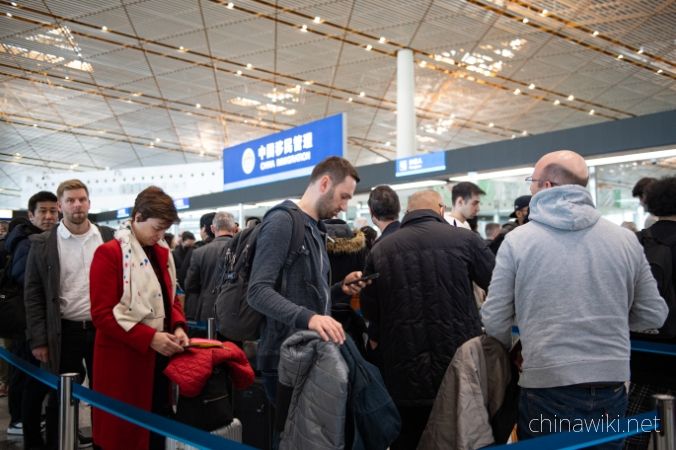
According to a report on the website of Singapore's Lianhe Zaobao on December 17, the Ministry of Foreign Affairs of China welcomed foreign friends to continue "planting grass" in China after the Chinese official announced on December 17 that it
Views: 7 Time 2024-12-17 -

Japanese media: 'Yiwu good goods' build a new bridge for Sino Japanese trade
On December 17th, the Asahi Shimbun website published a report titled "Yiwu Market Opened in Tokyo". The report is compiled as follows:
Views: 20 Time 2024-12-18 -

The footsteps of measuring the roof of the world
Since 2000, Liu Zhengping has dedicated nearly 25 years of his youth to the construction of railways on the Qinghai Tibet Plateau. He presided over and participated in the survey, design and scientific research of the Qinghai Tibet Railway, the Lahore Riz
Views: 33 Time 2024-12-18 -

Welcome more Taiwanese compatriots to mainland China to seek roots and pay respects to their ancestors
Chen Binhua, spokesperson of the Taiwan Affairs Office of the State Council, said at a regular press conference on December 25 that we welcome more Taiwanese compatriots to come to the mainland to trace their roots and pay homage to their ancestors, and t
Views: 24 Time 2024-12-25